
Optimal Timing for Storm Restorations
Storm restorations are most effective when performed promptly after severe weather events. Timely action helps prevent further damage and ensures structural integrity. The optimal window for storm restorations varies depending on weather patterns, but generally, late summer and early fall are ideal due to the frequency of storms.
Performing storm restorations during mild weather seasons reduces risks associated with extreme cold or heat, ensuring safer and more efficient repairs.
Monitoring local weather forecasts can help identify periods with fewer storms, providing a window for effective restoration work.
Initiating repairs within days of a storm minimizes secondary damage and prevents costly repairs later.
Pre-storm assessments and maintenance can reduce the extent of damage and the need for extensive restorations.
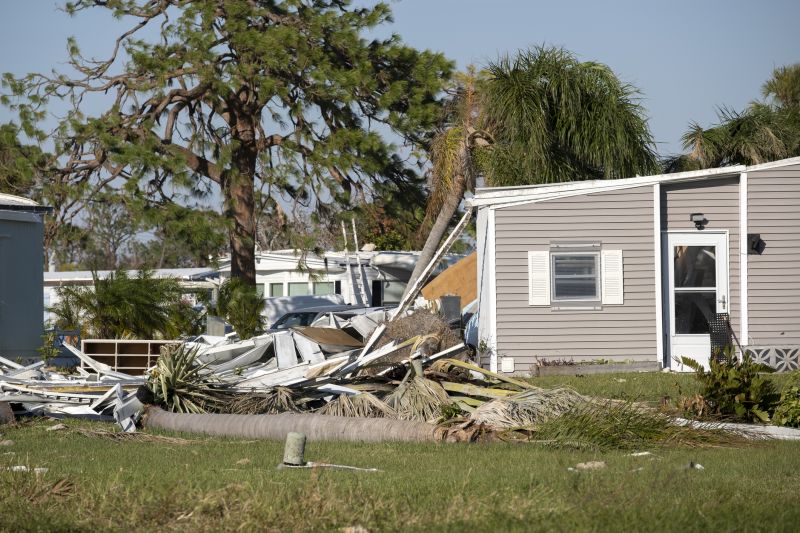
Assessment of storm-related damage is crucial for planning effective restorations.
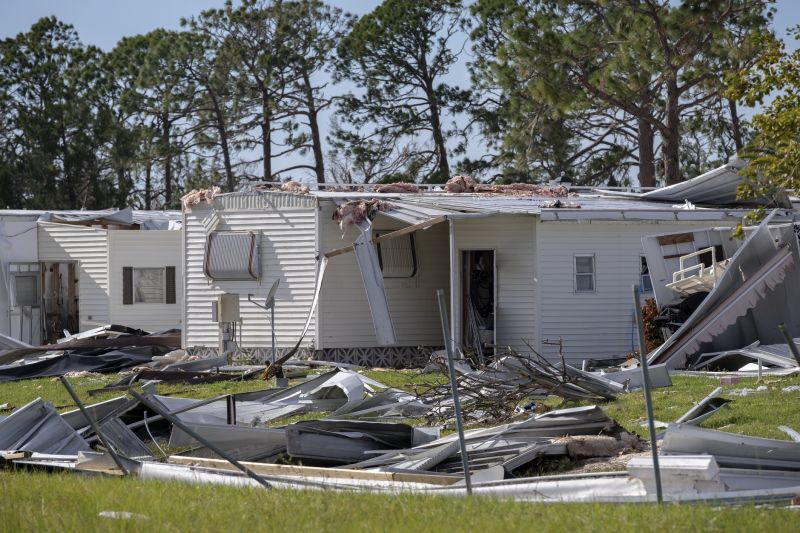
Quick response to storm damage helps prevent further structural issues.
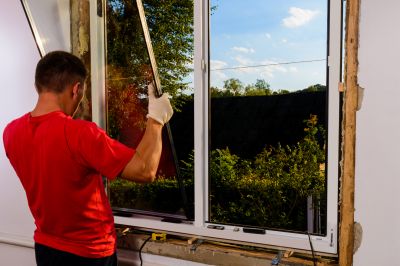
Restoration processes restore safety and stability after severe weather.
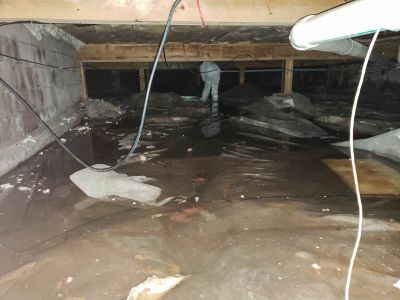
Ways to make Storm Restorations work in tight or awkward layouts.
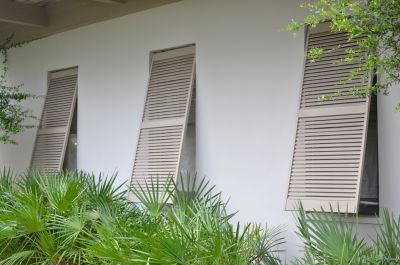
Popular materials for Storm Restorations and why they hold up over time.
| Aspect | Details |
|---|---|
| Optimal Timing | Late summer to early fall is ideal for storm restorations due to weather conditions. |
| Weather Monitoring | Keeping track of forecast patterns helps schedule repairs. |
| Immediate Response | Starting repairs within days reduces secondary damage. |
| Seasonal Factors | Mild temperatures facilitate safer and more efficient work. |
| Regional Variations | Storm-prone areas may need year-round readiness. |
| Preparation | Pre-storm assessments can lessen repair scope. |
| Post-Storm Assessment | Quick inspections identify damage needing urgent attention. |
Storm restorations involve repairing and restoring structures damaged by severe weather events such as high winds, hail, and heavy rain. Proper timing ensures that repairs are effective and durable, minimizing the risk of further damage. Statistics indicate that timely storm restorations can reduce repair costs by up to 30% and extend the lifespan of affected structures.
The frequency and severity of storms can vary based on geographic location, making it essential to remain vigilant and prepared. In regions like Bolingbrook, IL, where storms are common during certain seasons, proactive assessments and swift responses are crucial for maintaining safety and structural integrity.
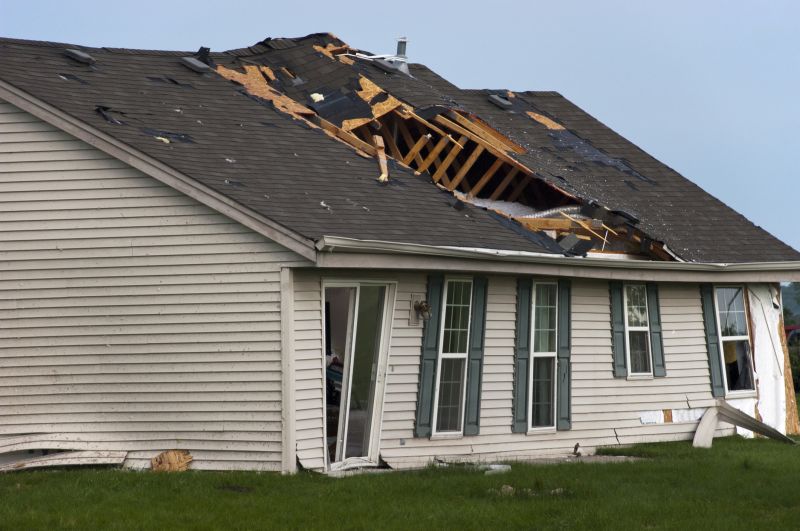
Restoring roofs, siding, and windows after storms.
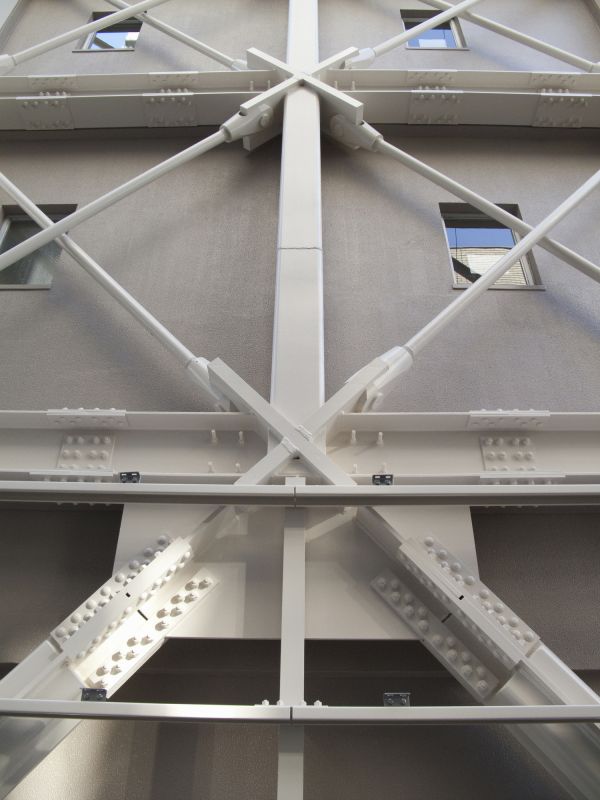
Strengthening structures to withstand future storms.
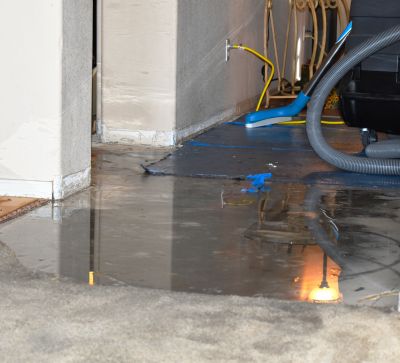
Rapid deployment for storm damage assessment.
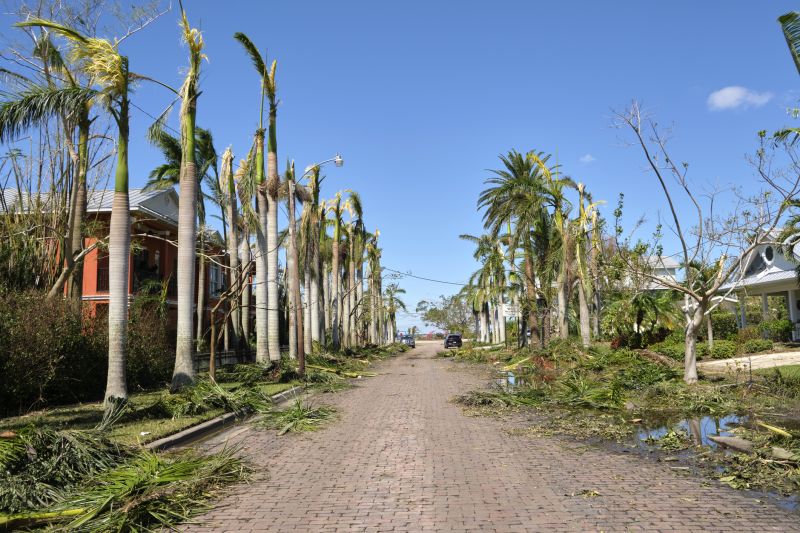
Removing debris and preparing for repairs.
Interested in storm restorations? Filling out the contact form can provide more information and help schedule assessments to ensure structures are prepared for upcoming weather events.